Child Rights Connect - formerly the NGO Group for the CRC

Child Rights Connect
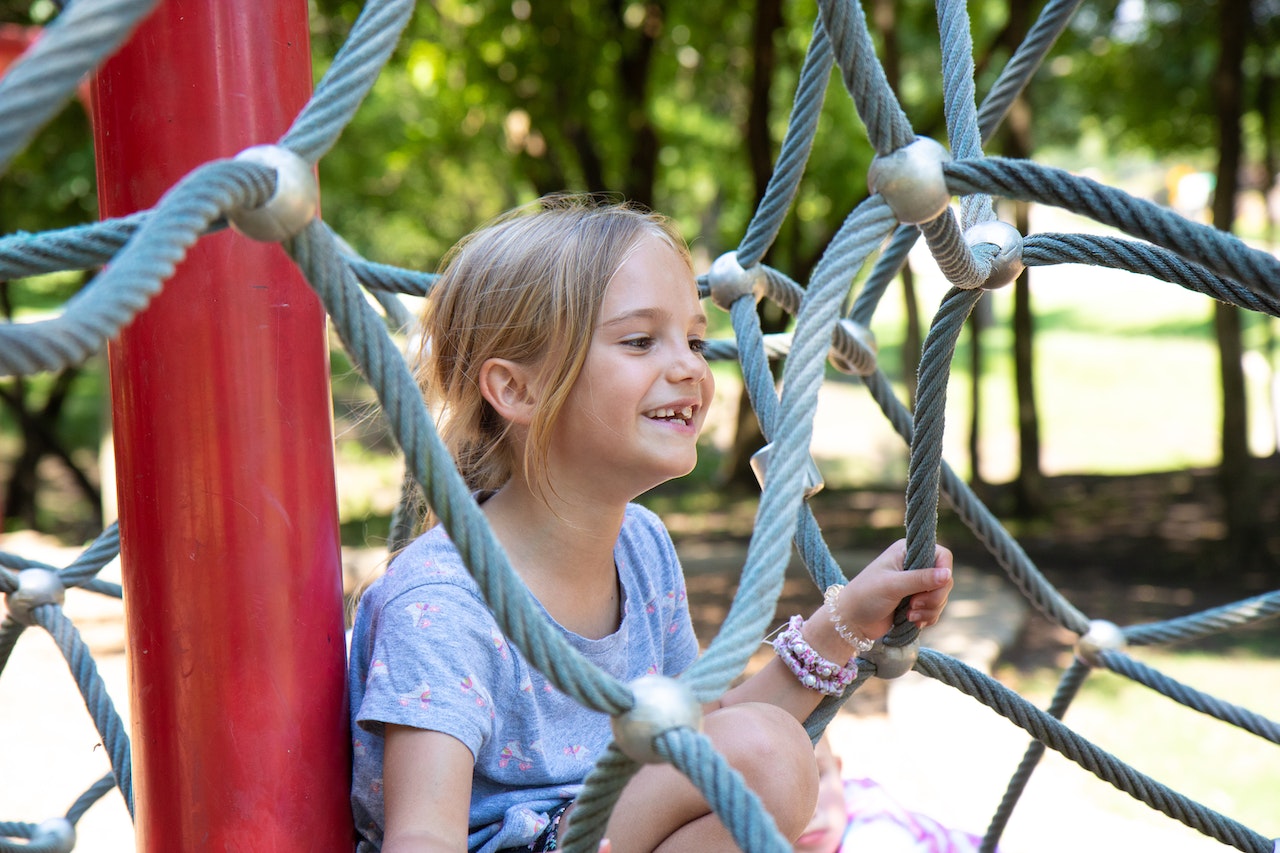
A young girl in Haiti.

COMMUNICATIONS PROCEDURE 

LATEST NEWS

International Launch of Ratify OP3 CRC

The International Coalition was officially launched at a reception held at the UN Human Rights Council on 20 June 2012 in Geneva, Switzerland. The event was cosponsored by the UN permanent missions of the Federal Republic of Germany, Finland, Chile, Costa Rica, the Maldives, the Slovak Republic, the Republic of Slovenia, Spain and Uruguay.

The speakers at this event were: Ms Yanghee Lee, Vice-Chairperson of the Committee on the Rights of the Child; Mr Konrad Scharinger, Deputy Permanent Representative of the Permanent Mission of the Federal Republic of Germany to the United Nations in Geneva; Mr Antti Rytövuori, Deputy Permanent Representative of the Permanent Mission of Finland to the United Nations in Geneva: Ms. Nicolette Moodie, Human Rights and Gender Liaison Officer, Gender and Rights Unit, UNICEF; Ms. Davinia Ovett Bondi, Save the Children, and Ms. Anita Goh, Child Rights Connect, Co-Chairs of "Ratify OP3 CRC - International Coalition for the OPCRC on a Communications Procedure".

Where Are We Now?

4 State Parties

As of 30 April 2013, there are 4 State parties to the Optional Protocol: Thailand, Gabon, Germany and Bolivia.

36 SIGNATORIES IN TOTAL

As of 30 April 2013, 36 States have signed the Optional Protocol:

Albania, Andorra, Argentina, Austria, Belgium, Brazil, Cape Verde, Chile, Costa Rica, Cyprus, Ecuador, Finland, the former Yugoslav Republic of Macedonia, Germany, Italy Liechtenstein, Luxembourg, Madagascar, Maldives, Mali, Malta, Mauritius, Montenegro, Morocco, Paraguay, Peru, Portugal, Romania, Senegal, Serbia, Slovakia, Slovenia, Spain, Thailand, Turkey and Uruguay.

To track signatures and ratifications see:

http://treaties.un.org/Pages/ViewDetails.aspx?src=TREATY&mtdsg_no=IV-11-d&chapter=4&lang=en

Get Involved - Join the International Coalition

Ratify OP3 CRC - the new International Coalition

Ratify OP3 CRC - International Coalition for the OPCRC on a Communications Procedure was set up in March 2012. It succeeds to the NGO Working Group that coordinated the international campaign for the drafting and adoption of OP3CRC.

Child Rights Connect is a member of this Coalition and is co-chairing its Steering Committee, together with Save the Children.

Ratify OP3CRC - International Coalition for the Optional Protocol to the CRC on a Communications Procedure (OP3 CRC) (thereafter the "International Coalition"), has been established to encourage the ratification and rapid entry into force of the Third Protocol to the CRC on a Communications Procedure.

The coalition gathers international, regional and national non-governmental organisations and networks, human rights institutions and other non-governmental bodies which are committed to achieve rapid ratification and entry into force of the OPCRC on a Communications Proceudre (OP3CRC).

It is led by a Steering Committee currently composed of thirteen international and regional child rights NGOs. The missions of the International Coalition are to:

1. Raise awareness about OP3CRC,

2. Disseminate information, tools and ideas to enable interested partners to engage in the ratification campaign, and

3. Pursue the rapid entry into force of OP3CRC.


Key documents

All other key documents on the process can be found on the official OHCHR webpage on the new OP CRC.

Child Rights Connect has prepared a Powerpoing presentation on the campaign for internal briefings that is available for interested partners. If you would like to use this presentation, or if you would like some training on the campaign, contact Ms. Anita Goh, Advocacy Officer at Child Rights Connect, for more information.

HISTORY OF THE CAMPAIGN

How the Campaign Started

In 2006, a group of child rights organisations - Child Rights Connect members - initiated a campaign for a new Optional Protocol (OP) to the CRC that would establish a communications procedure for children's rights violations. The CRC is the only international human rights treaty with a mandatory reporting procedure that does not also have a communications procedure.

Although existing international complaints mechanisms can be used by children, they do not cover the full range of rights for children and the complaints are not examined by a body with special expertise in child rights. Such a mechanism would enable individuals and groups to take up rights violations directly with the Committee, when existing domestic solutions have proved ineffective. It would complement the State party reporting system and would also enable the Committee to establish urgent inquiries when it is informed of grave or systematic violations of rights.

Creating an Child Rights Connect Working Group on the OP

In 2008, the campaign was established as a Working Group of Child Rights Connect (Child Rights Connect WG). Founding organisations include: Child Rights Information Network (CRIN), Global Initiative to  End All Corporal Punishment of Children, Kindernothilfe, Plan International, Save the Children Norway, Save the Children Sweden, Save the Children UK, SOS Villages International, World Organisation Against Torture (OMCT) and World Vision International.

The aim of Child Rights Connect WG is to raise awareness and mobilise support for an effective communications procedure.

Members of Child Rights Connect WG first met with the Committee on the Rights of the Child to present the campaign, and in June 2008 the Committee adopted a formal position in support of the procedure. Since then, Child Rights Connect WG has worked closely with the Committee and 'friendly states' to launch the process of drafting the new OP at the UN level.

Engaging Member States at the Human Rights Council

For the new OP to the CRC to be discussed and drafted, a resolution establishing an intergovernmental working group had to be adopted by the UN Human Rights Council (HRC). To that end, Child Rights Connect WG has undertaken several actions at the HRC to mobilize the necessary support from States:

  • it hosted a side event and submitted a written statement emphasising the national and regional support of NGOs for the campaign at the HRC's 7th session (March 2008);

  • it organised another side event at the HRC's 8th session (June 2008);

  • it arranged meetings with ‘friendly states’ in May and October 2008 to mobilise interest and support;

  • it carried out intensive lobbying and advocacy activities during the 10th and 11th sessions of the HRC (March and June 2009) to assess the positions of States with regard to this new OP and create a cross-regional group of friends that could present the needed resolution. 

Achieving Support at the UN Human Rights Council

In 2009, Child Rights Connect WG started an important awareness raising campaign to mobilise support from UN Member States as well as NGOs and UN experts, both in Geneva and at national level. Activities included a series of events and meetings on the topic of the new OP, for example during the 20th Anniversary celebrations of the CRC in Geneva; through the submission of written statements and the delivery of oral statements at the HRC; and by producing leaflets and advocacy papers for effective lobbying of states both in Geneva and in capitals. 

Thanks to our coordinated efforts at both national and internationa levels, a 'core group of friendly states' was formed, which backed the idea of proposing a new OP to the HRC. The acceptance of the proposal by the HRC was concretised by the adoption of a resolution on 17 June 2009, which established a UN Open-Ended Working Group (OEWG) to "explore the possibility of elaborating an optional protocol to the Convention on the Rights of the Child".

In December 2009 the OEWG met to discuss whether a new OP to the CRC was necessary or not. By February 2010, over 600 international and national NGOs, National Human Rights Institutions (NHRIs) and other bodies had signed a petition: "An International Call to Strengthen the Enforcement of the UN Convention on the Rights of the Child by the Drafting and Adoption of an Optional Protocol to Provide a Communications Procedure".

Although the OEWG did not present particular recommendations to the HRC, a new resolution was adopted in March 2010 mandating the OEWG to draft a new OP.

Drafting the new Optional Protocol

To facilitate the negotiations, the OEWG Chairperson prepared a proposal for a draft which was circulated to Member States in August 2010. This first draft included, in addition to standard provisions, some innovations to take into account the special status of children and the particular obstacles that they face when they seek a remedy. In particular, it contaiend a compulsory collective communications mechanism allowing NHRIs, child ombudspersons and ECOSOC NGOs to submit communications alleging "grave or systematic violations" without identifying individual victims.

From 6 to 10 December 2010, the OEWG discussed the Chairperson's proposal and made concrete amendments to the text. Based on this first round of negotiations, in January 2011, the Chairperson circulated a revised draft which notably made the collective communications mechanism optional ("opt-in") and changed its scope to "recurring violations affecting multiple victims".

The OEWG resumed its work in February 2011. As the second round unfolded, the pressure to finalise a text by the end of the session became more and more acute and, to ensure quick consensus and avoid renewing the OEWG's mandate, the Chair decided to negotiate the text in packages and suspend the formal meeting to hold bilateral negotiations. As a consequence, the final text was only presented orally a couple of minutes before its adoption ad referendum by the OEWG and the closing of the session.

After the last round of negotiations, Child Rights Connect Working Group has produced a preliminary assessment on the final draft and has met with several key UN missions to discuss the next steps.

In that context, the Working Group has delivered an oral statement during the March session of the HRC calling to improve the text before its final adoption.

In April, the OMCT and the ICJ, members of the Working Group, also delivered an oral statement before the African Commission recalling that the proposed collective communications mechanism is in line with well-established provisions of the African Charter on Human and Peoples' Rights, the Protocol to the African Charter on Human and Peoples' Rights and the African Charter on the Rights and Welfare of the Child, and encouraging States Parties to accept the inclusion of a similar provision in the new OP CRC.

To read more about the drafting process, check CRIN's reports on the first and second rounds of negotiations.

Collective Complaints: A needed innovation

A major focus of the advocacy of Child Rights Connect WG was the possibility of submitting 'collective communications', which are communications concerning potential or actual violations of rights within the CRC (and/or its existing two Optional Protocols) without the identification of specific cases involving a child victim or groups of victims.

Though present in the first and second draft OP, this option was eventually deleted during the last hours of the negotiations on 16 February 2011.

Adoption of the new OP

TWENTY STATES FROM ACROSS THE WORLD SIGNED THE NEW OPTIONAL PROTOCOL DURING THE OFFICIAL UN SIGNING CEREMONY!

Today, 28 February 2012, twenty States from across the world, namely Austria, Belgium, Brazil, Chile, Costa rica, Finland, Germany, Italy, Luxembourg, Maldives, Mali, Montenegro, Morocco, Peru, Portugal, Serbia, Slovakia, Slovenia, Spain and Uruguay, demonstrated strong leadership and political commitment to protecting children's rights as they became the first signatories of the new Protocol.

Amongst the high-level speakers that were invited to deliver a speech at the ceremony, Mr Drahoslav Stefanek, former Chairperson of the Open-ended Working Group that negotiated the Protocol, and Mr Jean Zermatten, Chairperson of the UN Committee on the Rights of the Child, specifically paid tribute to the work of Child Rights Connect.

Ms Lisa Myers, the Director of Child Rights Connect, was also invited to speak during the ceremony on behalf of the coalition of NGOs that campaigned for the Protocol. Read her statement here.

Child Rights Connect, together with its partners the International Commission of Jurists and the Child Rights Coalition Asia (CRC Asia), have issued a press release for the occasion in English, French, Spanish, Arabic and Italian.

The ceremony opened the Optional Protocol to the CRC on a communications procedure for signature and ratification. From now on, any State party to the CRC and/or the OPSC and/or the OPAC can sign and ratify the third OP. Ten States need to ratify the Protocol before it can enter into force.

More information on the ceremony, including pictures, and on the State representatives that signed the Protocol can be found on the OHCHR dedicated webpage.

The UN General Assembly officially adopts the new Optional Protocol!

19 December 2011: The UN General Assembly took a landmark step for children's rights as it adopted the new Optional Protocol and finalised the adoption process of this new treaty at the UN level.

An official signing ceremony will be held in 2012 where States will be able to sign and ratify the new Protocol. The new Protocol needs to be ratified by ten States before it can enter into force and be used.

This now officially marks the end of the drafting and negotiation process.

The NGOs member of Child Rights Connect Working Group on the OPCRC remain dedicated to making sure that the Protocol is a practical reality for all children and are committed to resume our campaigning work for its widespread ratification and effective use.

We have circulated a public statement which celebrates this historical step forward and calls all States to initiate national discussions and processes in view of ratifying the new Optional Protocol.

Read our public statement in English, Spanish, French, German and Italian.

Read our press release in English, Spanish, French, Arabic, Russian, Italian and Dutch.

Read the UN press release, the OHCHR press release and the SRSG on Violence against Children, Marta Santos Pais, press release.

15 November 2011: the UNGA Third Committee adopts the new Optional Protocol by consensus

With today's adoption of the text by the Third Committee of the UN General Assembly (UNGA), we are now just one step away from the final adoption of the new Protocol by the UN.

The final resolution of the UNGA is expected to be adopted in plenary around 22/23 December 2011.

After that, an official signing ceremony will be held in 2012. This is when the new Optional Protocol will be officially open for signature and ratification by States. The Protocol will enter into force after ten ratifications.

Check the text of the Third Committee's resolution, including the list of co-sponsoring States, here.

Read the UN press release here.

Presentación de la campaña y del texto del Protocolo en español

Gracias al Señor Francisco Estrada Vásquez, abogado, que tiene un blog sobre la justicia penal adolescente, aquí podréis leer una presentación de la campaña y del texto del Protocolo.

17 June 2011: The UN Human Rights Council adopts the new Optional Protocol to the CRC!

After two years of discussions and negotiations at the international level, the final draft Optional Protocol establishing a communications procedure for children's rights violations has been adopted by the UN Human Rights Council (HRC) in Geneva, Switzerland.

A total of 50 States co-sponsored the resolution: 

Albania, Andorra, Austria, Bangladesh, Belgium, Bolivia, Bosnia and Herzegovina, Brazil, Bulgaria, Chile, Costa Rica, Croatia, Cyprus, Czech Republic, Ecuador, Equatorial Guinea, Estonia, Finland, Germany, Greece, Guatemala, Honduras, Hungary, Ireland, Japan, Jordan, Kazakhstan, Kenya, Liechtenstein, Luxembourg, Maldives, Macedonia, Montenegro, Morocco, Panama, Paraguay, Peru, Portugal, Senegal, Serbia, Slovenia, Slovakia, Spain, Thailand, Timor-Leste, Turkey, Ukraine, United States of America, Uruguay and Zambia.

The final text will now be transmitted to the UN General Assembly (GA) to be discussed by its Third Committee this Autumn and endorsed and adopted by the GA in December 2011.

This will be the third Optional Protocol to the CRC. If the GA adopts it, ratification of the new instrument would be open from January 2012.

The Working Group

Child Rights Connect Working Group, created to coordinate the international campaign for the drafting and adoption of the OP3CRC, decided to close in March 2012 to launch the international ratification campaign of OP3 CRC under a new international coalition.

Contact

For more information on the International Coalition for the OPCRC on a Communications Procedure , or if you need any advice regarding advocacy arguments, please contact the International Coalition or visit its official website.  

To join the Coalition, please fill in the membership application form in English, French or Spanish, sign it and send it back to the Coalition for review.